
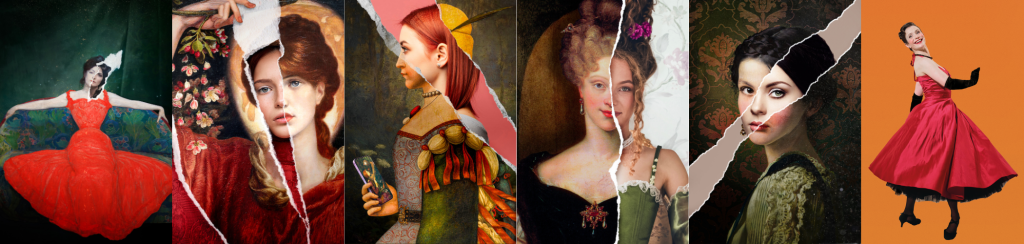
Buxton International Festival 2026 brings together some of opera’s greatest masterpieces alongside rare works you’re unlikely to see anywhere else. Whether you’re completely new to opera or already a fan, there’s a huge variety of styles, stories and music across the season.
View Our Upcoming Opera Performances
Giuseppe Verdi’s emotional masterpiece follows the tragic love story of Violetta and Alfredo. Romantic, glamorous and heartbreaking, it features some of the most famous music in all opera and is often considered the perfect first opera.
A sparkling, funny and stylish operetta filled with waltzes, romance and champagne energy. If you want something light-hearted and hugely entertaining, this is the ideal choice.
Handel’s magical baroque opera brings together knights, sorcery and supernatural drama. Expect dazzling singing, atmospheric music and a completely different operatic world from the large romantic classics.
Le dernier sorcier (The Last Sorcerer)
A charming and rarely performed fantasy opera by Pauline Viardot. Warm, whimsical and intimate, it’s one of the hidden gems of the festival.
Written by Francesca Caccini, this is considered the first surviving opera by a woman composer. Myth, magic and baroque storytelling combine in one of the festival’s most unusual productions.
Mozart’s powerful opera about loyalty, betrayal and forgiveness in ancient Rome. Elegant, dramatic and emotionally rich, it showcases Mozart at his most refined.
Together, the 2026 programme shows exactly what makes Buxton International Festival special: world-famous operas alongside rare discoveries, all within one summer festival.
General opera FAQs
Are operas in Italian?
Many famous operas are in Italian, especially works by composers like Giuseppe Verdi and Giacomo Puccini, but operas are also written in German, French, English, Russian, Czech, and many other languages.
Where did opera originate?
Opera originated in Italy during the late 16th century.
Can opera singers sing normally?
Yes. Opera singers are trained in classical vocal technique, but many can also sing in contemporary or more conversational styles.
Are operas always in Italian?
No. While many well-known operas are Italian, operas exist in many different languages depending on the composer and country of origin.
Are operas in English?
Some are. Many modern operas are written in English, and some opera companies also perform translated versions of classic works.
Do operas have subtitles?
Yes. Most opera performances today use surtitles, which are translations displayed above or beside the stage so audiences can follow the story.
Can opera singers break glass?
In theory, yes, but it is extremely rare. A singer would need to hit the exact resonant frequency of the glass at a very high volume. It is more of a scientific possibility than a common occurrence.
What opera is “Nessun dorma” from?
“Nessun dorma” is one of the most famous arias from Turandot by Giacomo Puccini.
Do opera singers use microphones?
Traditionally, opera singers perform without microphones. Opera houses are designed acoustically so singers can project their voices naturally over a full orchestra.
What opera is in Pretty Woman?
The opera featured in Pretty Woman is La traviata by Giuseppe Verdi.
Which opera is “Nessun dorma” from?
“Nessun dorma” comes from Turandot.
Should “opera” be capitalised?
The word “opera” is usually written in lowercase unless it appears at the beginning of a sentence or in a title.
Are opera and ballet dying?
No. While audiences and formats continue to evolve, both opera and ballet remain active art forms worldwide. Many companies are attracting new audiences through modern productions, streaming, outdoor performances, and collaborations with film, fashion, and contemporary music.
Did opera originate in Italy?
Yes. Opera began in Italy in the late Renaissance period.
Did opera start in Italy?
Yes. Early opera developed in Italian cities such as Florence before spreading across Europe.
Do opera singers make a lot of money?
It depends on the singer and their career level. International stars can earn very high fees, while many professional opera singers work freelance and earn more modest incomes.
Do opera singers sing words?
Yes. Opera combines music and storytelling, so singers perform lyrics that tell the story and express the emotions of the characters.
Do operas have spoken dialogue?
Some do. Certain forms, such as comic opera and singspiel, include spoken dialogue between musical numbers, while many traditional operas are sung throughout.